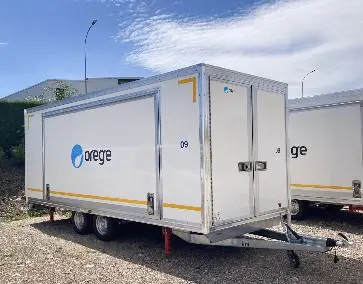
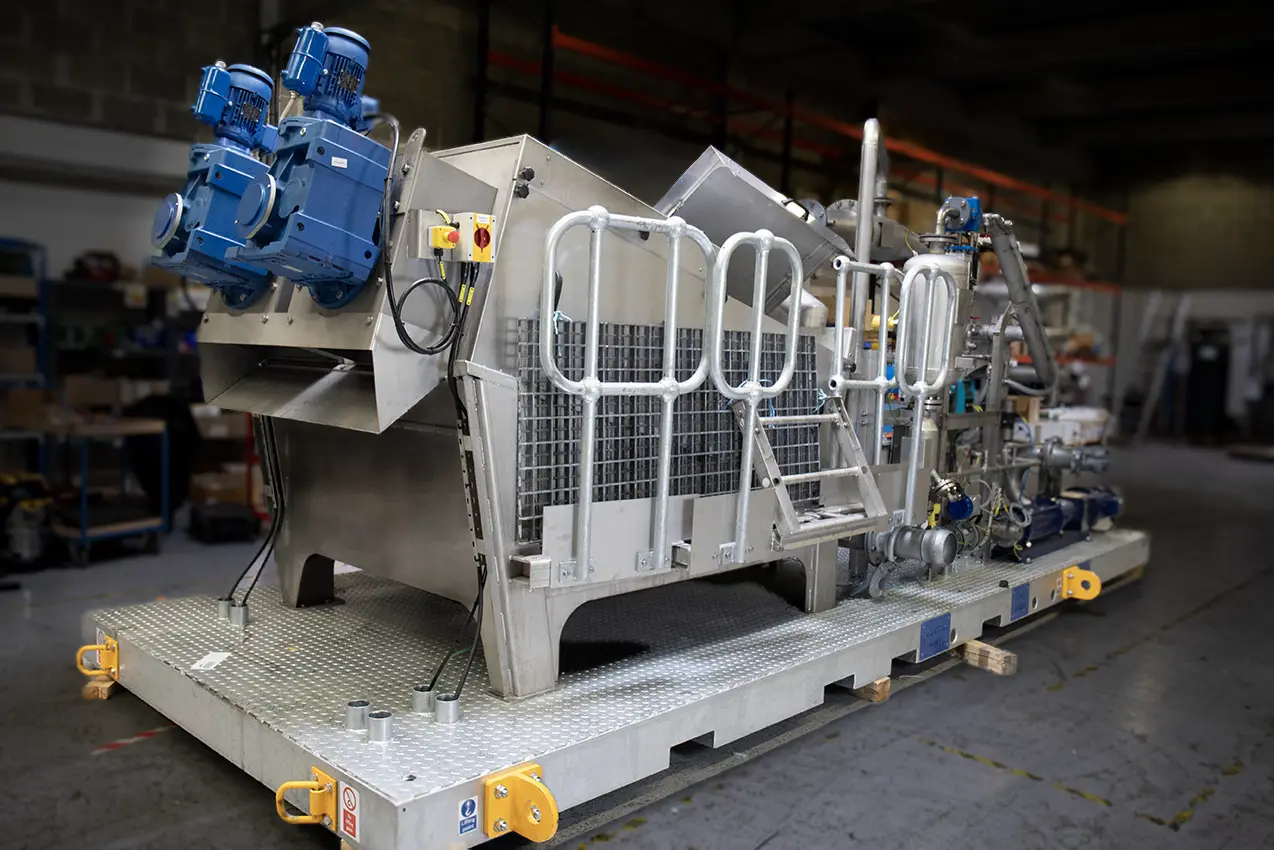
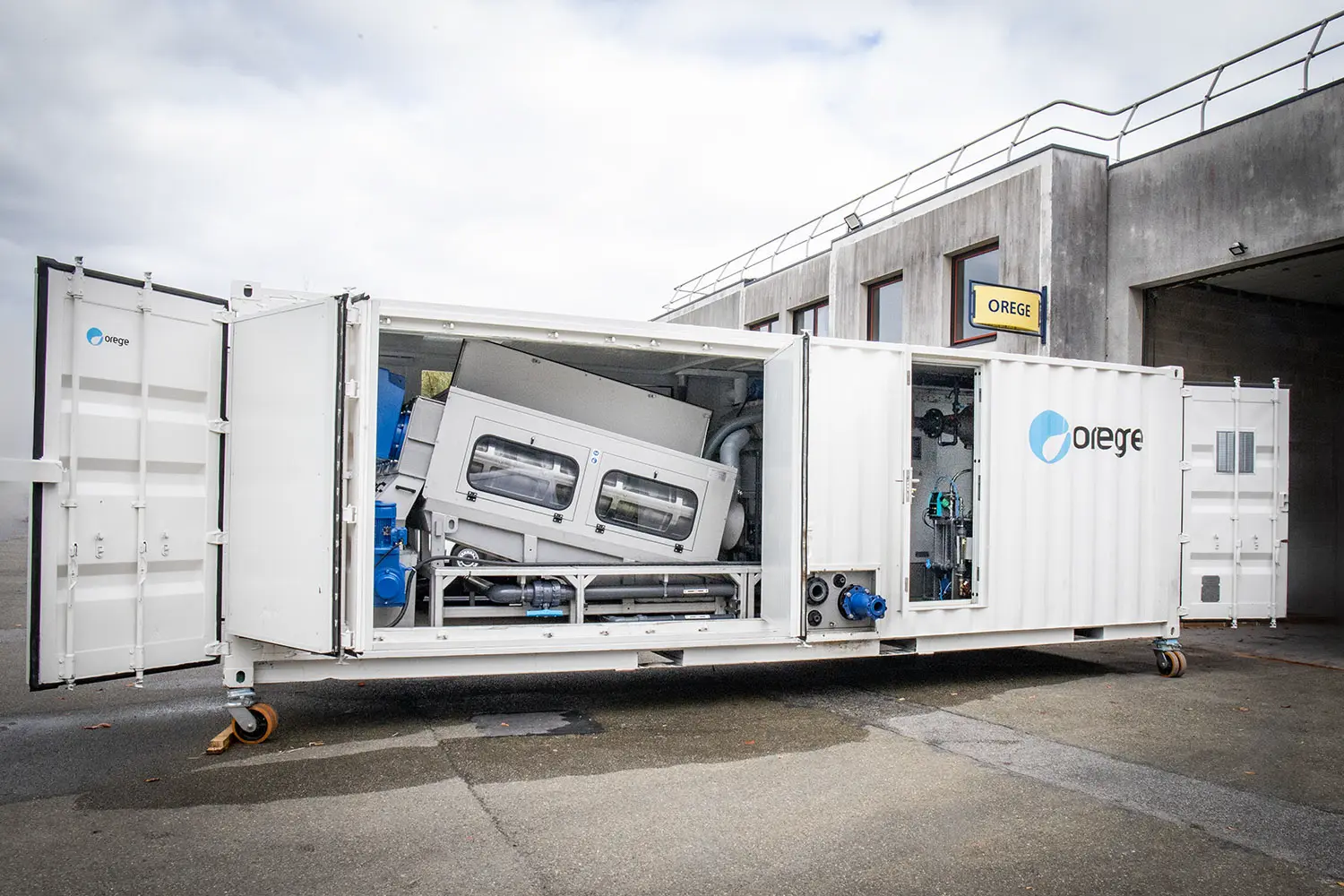
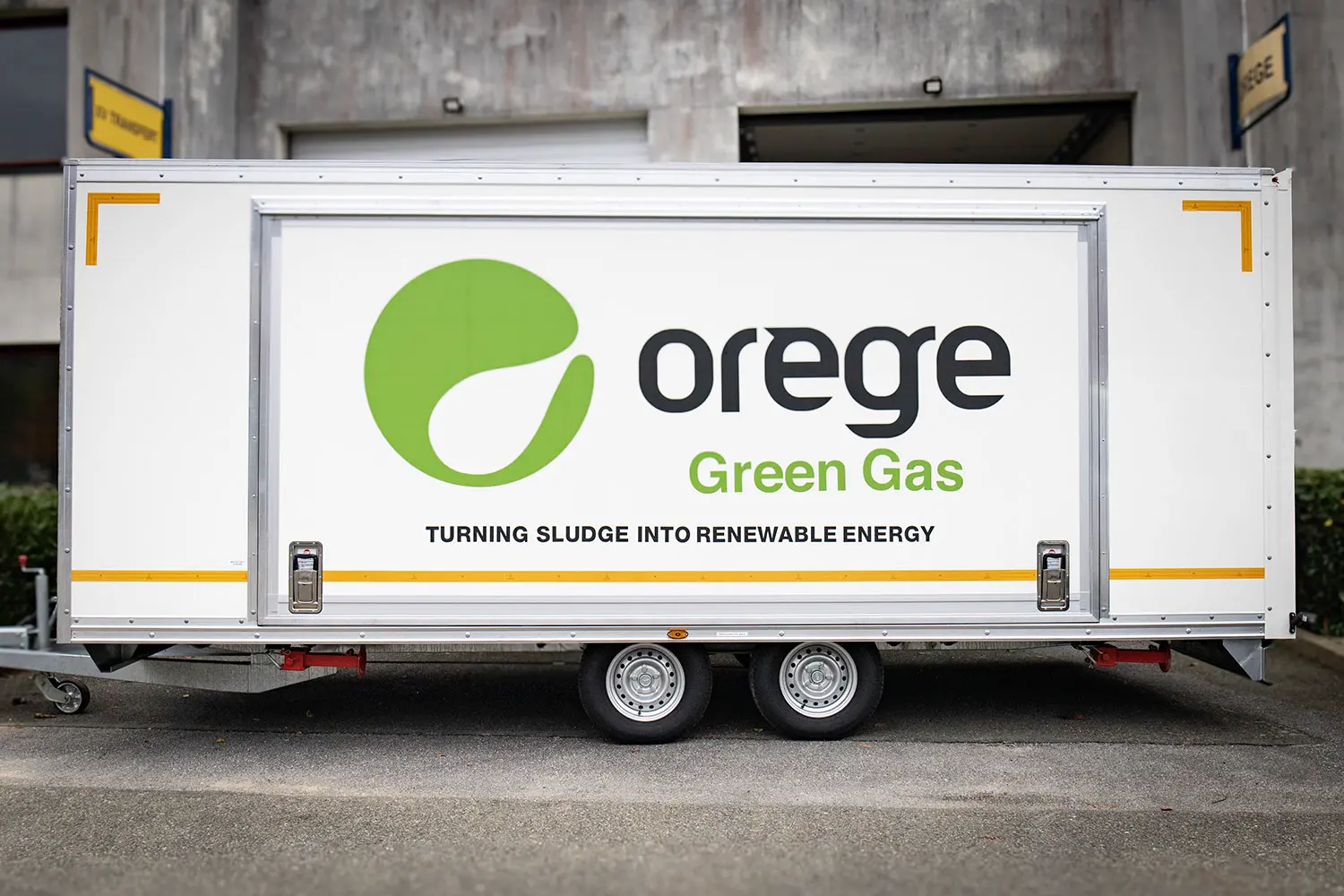
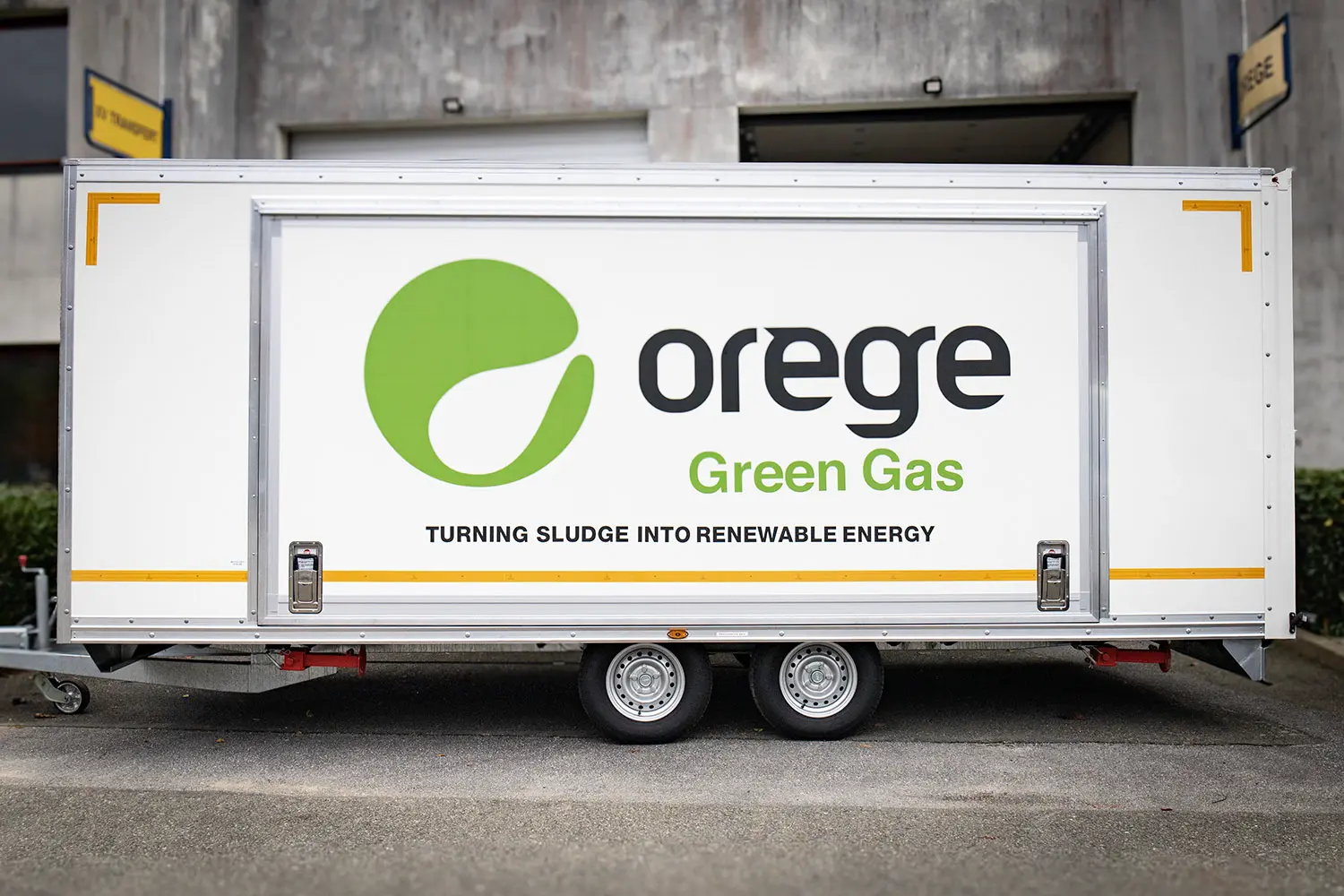
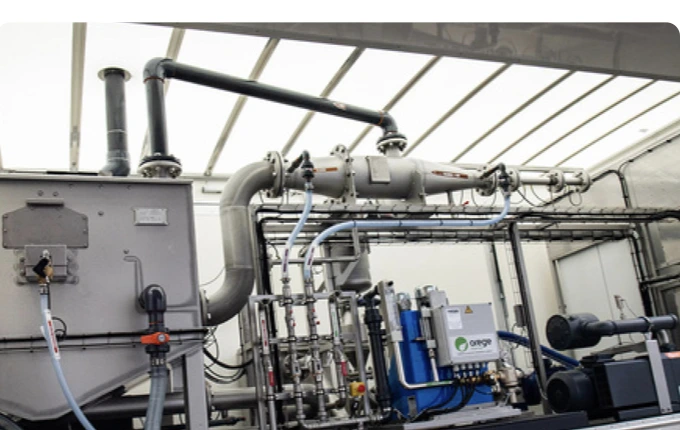
Actuellement en phase de Recherche et Développement (R&D), l’initiative Orege Green Gas représente une avancée majeure en matière d’efficacité de valorisation énergétique des déchets. En adaptant notre technologie propriétaire SLG® pour pré-conditionner la matière organique (allant des boues municipales aux déchets agricoles) en vue de la digestion anaérobie, nous observons des résultats initiaux remarquables, bien au-delà des standards du secteur.
Les pilotes et essais ont démontré que cette optimisation au niveau moléculaire peut augmenter la production de biogaz jusqu’à 40%, tout en améliorant simultanément de plus de 34% la production électrique en cogénération (CHP - Combined Heat and Power).
Ces indicateurs de performance, applicables à la fois aux stations d’épuration et au secteur agricole, transforment des installations standards en puissants pôles d’énergie renouvelable.
L’innovation d’Orege constitue un levier essentiel de la transition énergétique mondiale, en démontrant que l’avenir du gaz vert repose sur l’optimisation moléculaire des ressources organiques.


 Download brochure